BS Nuclear Medicine Technology

Program Overview

Credit Hours

137

Duration

4 Years

Semesters

7

Attendance

Full-time

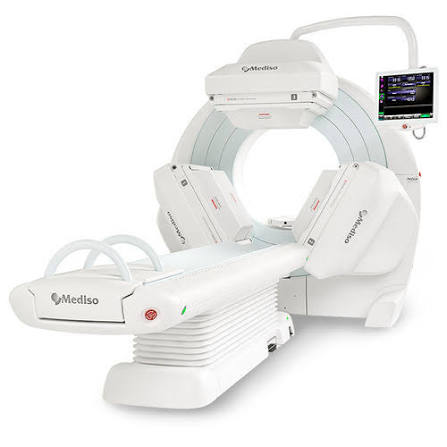
The BS Nuclear Medicine Technology program at Superior University trains students in radiopharmaceuticals, nuclear medicine instrumentation, radiation safety and dosimetry, PNRA regulatory compliance, and clinical nuclear imaging — covering nuclear oncology, nuclear cardiology, thyroid and endocrine imaging, SPECT, and PET/CT technology. Clinical training in nuclear medicine departments of affiliated hospitals includes hands-on experience with gamma cameras and SPECT/PET-CT systems, aligned with Pakistan Nuclear Regulatory Authority (PNRA) standards.

The curriculum is integrated with oncology, cardiology, and endocrinology departments — providing students with a multidisciplinary clinical context for nuclear imaging practice. The 3U1M model guarantees one full year of clinical market engagement before graduation.

QUICK LINKS

HAVE SOME QUESTIONS?
Talk to an advisor

PROGRAM ACCREDITATIONS

HEC Compliant Curriculum

HEC Compliant Curriculum

HEC works alongside the Pharmacy Council of Pakistan (PCP) to ensure institutes maintain high academic standards

Allied Health Professionals Council (AHPC)

Allied Health Professionals Council (AHPC)

National Regulatory Body

Regulates allied health sciences education and professional practice, ensuring competency and standardization in healthcare support professions.

Why Choose BS Nuclear Medicine Technology at Superior University?
PNRA-Aligned Curriculum

PNRA-Aligned Curriculum

Radiation safety and regulatory training meeting Pakistan Nuclear Regulatory Authority standards.

PET/CT & SPECT Training

PET/CT & SPECT Training

Hands-on access to advanced nuclear imaging systems.

Radiopharmacy Training

Radiopharmacy Training

Dedicated radiopharmaceutical preparation and handling training.

Multidisciplinary Clinical Integration

Multidisciplinary Clinical Integration

Training alongside oncology, cardiology, and endocrinology clinical teams.

Six Specialization Tracks

Six Specialization Tracks

From Nuclear Oncology to Radiopharmacy.

3U1M Employability Guarantee

3U1M Employability Guarantee

One full year in nuclear medicine departments before graduation.
Professional Certifications

ARRT (American Registry of Radiologic Technologists)

ARRT (American Registry of Radiologic Technologists)

PNRA (Pakistan Nuclear Regulatory Authority)

PNRA (Pakistan Nuclear Regulatory Authority)

Key Skills You Will Learn
PET-CT & SPECT-CT Imaging

PET-CT & SPECT-CT Imaging

Radiopharmaceutical Preparation

Radiopharmaceutical Preparation

Cyclotron Operations

Cyclotron Operations

Theranostics (Diagnosis + Therapy)

Theranostics (Diagnosis + Therapy)

Radiation Safety & Dosimetry

Radiation Safety & Dosimetry

Patient Care & Quality Assurance

Patient Care & Quality Assurance

Nutritional Biochemistry & Macronutrient Metabolism

Nutritional Biochemistry & Macronutrient Metabolism

Sports Nutrition, Paediatric & Maternal Dietetics

Sports Nutrition, Paediatric & Maternal Dietetics

Career Outcomes

Nuclear Medicine Technologis

PET/CT Imaging Specialist

Radiopharmacist / Radiopharmaceutical Tech

Radiation Safety Officer

Tools and Technologies you will master

Clinical Tools & Training


  • Gamma Camera & SPECT Systems
    Gamma Camera & SPECT Systems
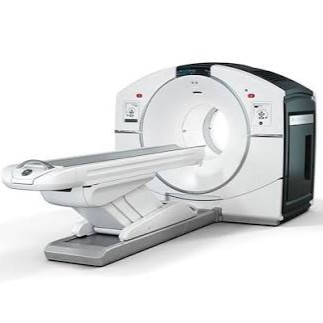
  • PET/CT Scanner
    PET/CT Scanner
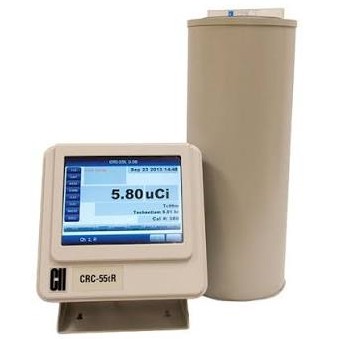
  • Dose Calibrators & Radiopharmacy Equipment
    Dose Calibrators & Radiopharmacy Equipment
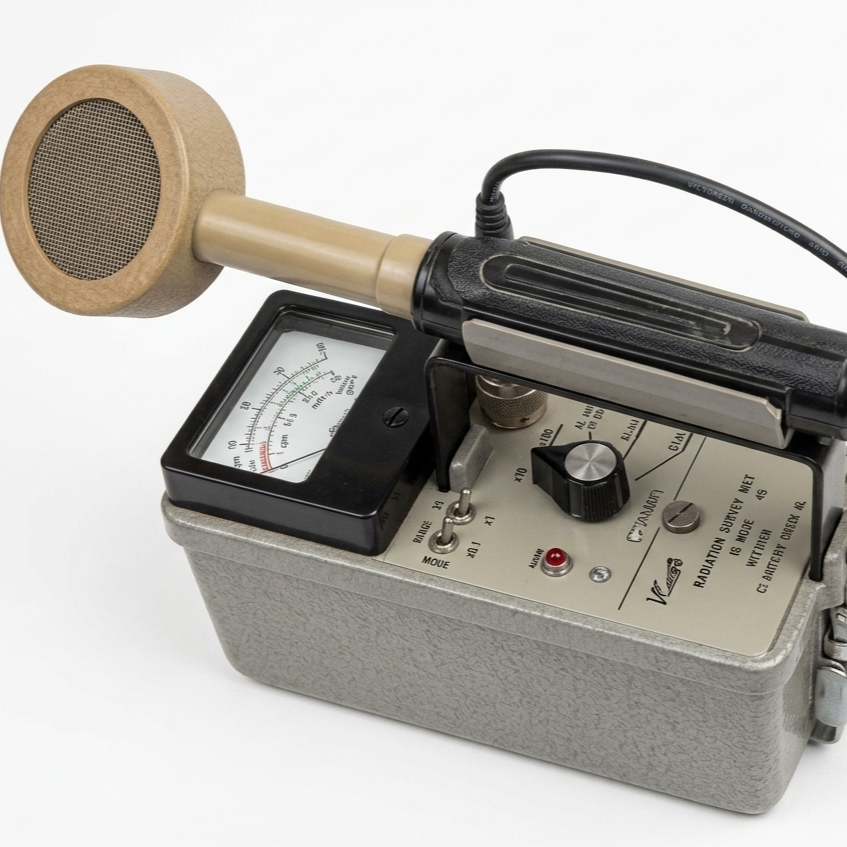
  • Radiation Monitoring Dosimeters
    Radiation Monitoring Dosimeters

Admissions & Eligibility

Domestic Applicants

Qualification: a. Matric with Science (Physics, Chemistry & Physics as compulsory subjects) b. F.Sc Pre-Medical with 50% marks minimum (Physics, Chemistry & Biology as compulsory subjects) Age Limit :14-35 Years Gender Ratio : Open Merit

International Applicants

Qualification: a. Matric with Science (Physics, Chemistry & Physics as compulsory subjects) b. F.Sc Pre-Medical with 50% marks minimum (Physics, Chemistry & Biology as compulsory subjects) Age Limit :14-35 Years Gender Ratio : Open Merit

⚠️ Important

Always refer to the Admissions Office for the current criteria, deadlines and documentation.

NEXT STEPS

HAVE SOME QUESTIONS?
Talk to an advisor or chat with us using Superior AI Chatbot.

Program Roadmap

Explore courses roadmap in BS Nuclear Medicine Technology
CourseCredit Hours
GENERAL ANATOMY (Theory)2
GENERAL ANATOMY (Lab)1
PHYSIOLOGY (Theory)2
PHYSIOLOGY (Lab)1
BIOCHEMISTRY (Theory)2
BIOCHEMISTRY (Lab)1
LEADING WITH CHARACTER3
ISLAMIC STUDIES/RELIGIOUS EDUCATION/ETHICS2
FEHM-E-QURAN - I1
Total Credit Hours15
CourseCredit Hours
HUMAN GENETICS3
PATHOLOGY3
REGIONAL ANATOMY (EXTREMETIES & THORAX) - Theory2
REGIONAL ANATOMY (EXTREMETIES & THORAX) - Lab1
RADIOPHARMACOLOGY3
INTERNATIONAL RELATIONS2
IDEOLOGY AND CONSTITUTION OF PAKISTAN2
FEHM-E-QURAN - II1
Total Credit Hours17
CourseCredit Hours
QUANTITATIVE REASONING - I3
CIVIC AND COMMUNITY ENGAGEMENT3
FUNCTIONAL ENGLISH3
REGIONAL ANATOMY (ABDOMEN & PELVIS) - Theory2
REGIONAL ANATOMY (ABDOMEN & PELVIS) - Lab1
RADIATION SAFETY AND RADIOBIOLOGY3
APPLICATIONS OF INFORMATION AND COMMUNICATION TECHNOLOGIES (Theory)2
APPLICATIONS OF INFORMATION AND COMMUNICATION TECHNOLOGIES (Lab)1
Total Credit Hours18
CourseCredit Hours
PUBLIC HEALTH & EPIDEMIOLOGY2
NEUROANATOMY (HEAD AND NECK) - Theory2
NEUROANATOMY (HEAD AND NECK) - Lab1
QUANTITATIVE REASONING - II2
ENTREPRENEURSHIP3
PAKISTAN STUDIES2
EXPOSITORY WRITING3
Total Credit Hours15
CourseCredit Hours
PRINCIPLES OF COMPUTED TOMOGRAPHY - Theory2
PRINCIPLES OF COMPUTED TOMOGRAPHY - Lab1
PRINCIPLES OF MAGNETIC RESONANCE IMAGING - Theory2
PRINCIPLES OF MAGNETIC RESONANCE IMAGING - Lab1
APPLIED SURGERY2
LEADERSHIP AND GOVERNANCE2
APPLIED MEDICINE2
BEHAVIORAL SCIENCES2
RESEARCH METHODOLOGY3
SUPERVISED CLINICAL PRACTICE I2
Total Credit Hours19
CourseCredit Hours
GAMMA CAMERA PHYSICS AND INSTRUMENTATION3
APPLICATIONS OF RADIONUCLIDES - Theory2
APPLICATIONS OF RADIONUCLIDES - Lab1
PET & SPECT PHYSICS AND INSTRUMENTATION3
NUCLEAR MEDICINE PROCEDURES & SCANNING TECHNIQUES - Theory2
NUCLEAR MEDICINE PROCEDURES & SCANNING TECHNIQUES - Lab1
MOLECULAR IMAGING3
SUPERVISED CLINICAL PRACTICE II2
INTRODUCTION TO NURSING PRACTICES2
Total Credit Hours19
CourseCredit Hours
HYBRID IMAGING3
CAPSTONE PROJECT3
EVIDENCE BASED PRACTICE2
NUCLEAR MEDICINE IMAGE ACQUISITION AND PROCESSING3
SUPERVISED CLINICAL PRACTICE III2
QUALITY CONTROL IN NUCLEAR MEDICINE IMAGING3
FIRST AID & EMERGENCY CARE0
HEALTHCARE MANAGEMENT (POLICIES AND MARKETING)2
Total Credit Hours18
CourseCredit Hours
THERAGNOSTICS - Theory2
THERAGNOSTICS - Lab1
RADIONUCLIDE THERAPY - Theory2
RADIONUCLIDE THERAPY - Lab1
ARTIFICIAL INTELLIGENCE IN NUCLEAR MEDICINE3
SEMINAR ON NMT3
CLINICAL NUCLEAR MEDICINE - Theory2
CLINICAL NUCLEAR MEDICINE - Lab1
SUPERVISED CLINICAL PRACTICE IV2
Total Credit Hours17

Specializations

SPECT & PET/CT Imaging Technology
Nuclear Oncology Imaging
Nuclear Cardiology
Nuclear Cardiology
Thyroid & Endocrine Nuclear Imaging
Radiation Safety & Dosimetry

TRANSFORMATIONAL JOURNEY

Discover your 3C Advantage

Character


Radiation Safety as a Personal and Professional Standard — Nuclear medicine professionals work with radioactive materials every day. This program builds practitioners who internalize radiation protection principles — not because PNRA requires it, but because they genuinely understand the responsibility to patients, colleagues, and communities that safe radiopharmaceutical practice demands.

Courage


The Courage to Practice in a Regulated, High-Stakes Specialty — Nuclear medicine is one of healthcare's most technically complex and regulatory-intensive specialties. Students develop the professional courage to operate within strict safety frameworks, make independent technical decisions, and contribute to multidisciplinary clinical teams with confidence in their specialized expertise.

Competence


Specialist Nuclear Imaging Competence — Students build hands-on competence in gamma camera, SPECT, and PET/CT operation, radiopharmaceutical preparation, dose calibration, radiation monitoring, PACS management, and PNRA-compliant radiation safety practice — delivering the full technical skill set of a nuclear medicine technologist.

FAQs

Frequently Asked Questions

The BS Nuclear Medicine Technology is a 4-year undergraduate degree program comprising 8 semesters. It is meticulously designed to ensure employability by integrating Superior University's signature 3U1M framework (Three years in University, One year in Market), providing students with practical, hands-on industry experience before graduation.
Download Brochure for BS Nuclear Medicine Technology